How to Help Weak, Injured, or Molting Hermit Crabs Recover and Eat Again
When hermit crabs are weak, injured, or recovering from a molt, they often struggle to eat on their own. Without proper nutrition, their recovery slows down, increasing the risk of further health issues. Fortunately, a well-balanced emergency energy mix can help them regain strength and encourage eating.
Why Do Weak Hermit Crabs Stop Eating?
There are several reasons why a hermit crab might lose its appetite. Identifying the cause is the first step in supporting a successful recovery.
1. Molting Recovery
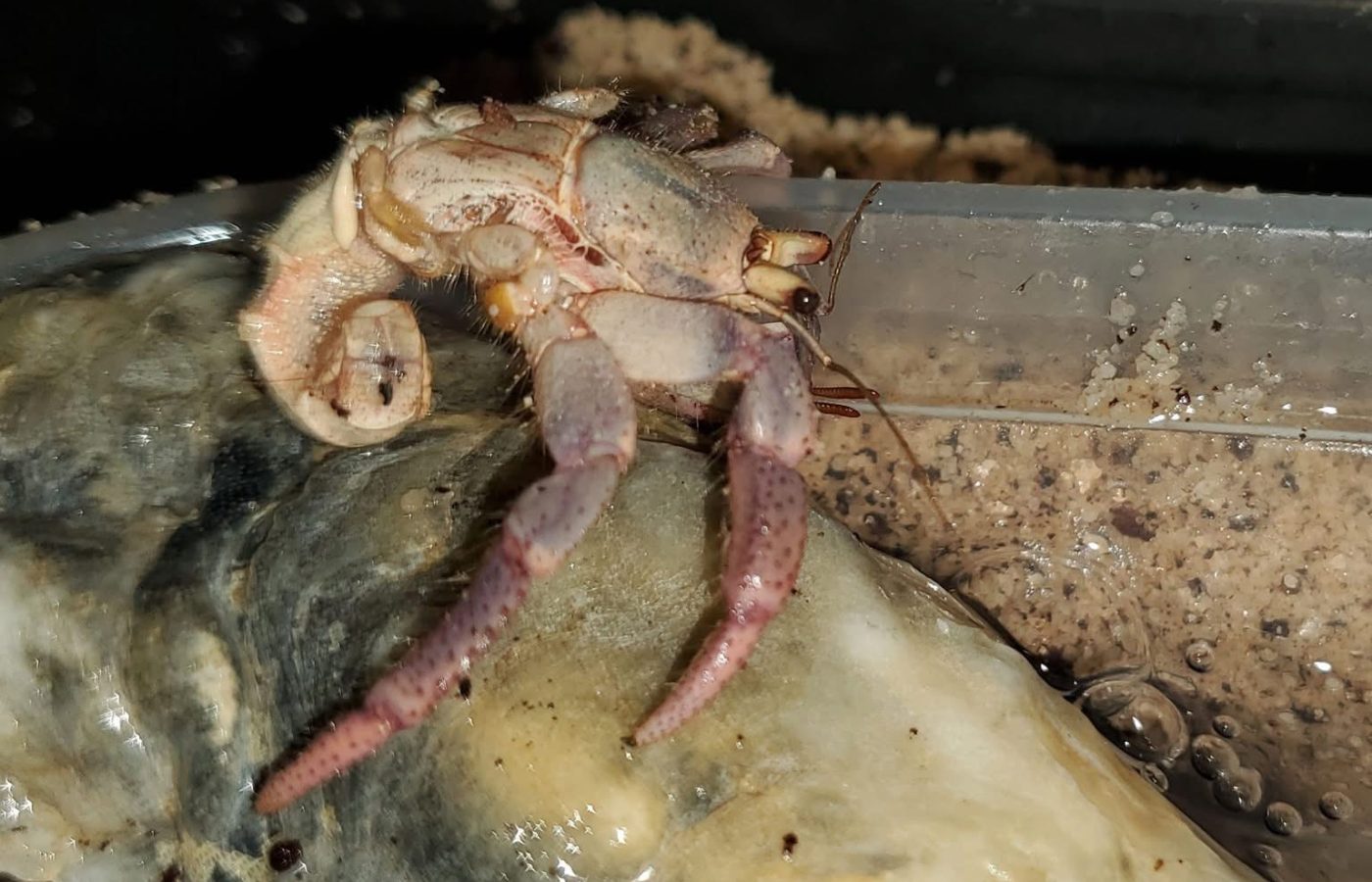
Molting is an exhausting process that leaves hermit crabs vulnerable. Since they shed their exoskeleton, they need time to regain energy before they can eat solid foods again.
2. Injury or Stress
Physical injuries or environmental stress, such as improper humidity or recent shell fights, can cause a hermit crab to stop eating. Reducing stressors in their habitat is crucial for encouraging food intake.
3. Illness or Weakness
Sick or malnourished crabs often lack the energy to seek out food. Offering a nutrient-dense energy mix ensures they receive essential vitamins and minerals to recover.
How to Prepare an Emergency Energy Mix
To help a weak hermit crab regain strength, combine equal parts of the following ingredients. Each component serves a specific purpose in the healing process.
1. Sweeteners (Quick Energy Boost)
• 🍯 Honey
• 🍁 Maple syrup
• 🍬 Molasses
Providing an immediate source of energy, these natural sweeteners help stimulate the crab’s metabolism.
2. Calcium (Shell Health & Molting Support)
• 🦴 Powdered cuttlebone
• 🦀 Fluker’s powdered calcium (hermit crab safe)
• 🦪 Oyster shell powder
• 🥚 Powdered eggshells
Since calcium is essential for shell strength and molting, adding it to the mix helps prevent future deficiencies.
3. Protein (Tissue Repair & Growth)
• 🦐 Crushed dried shrimp
• 🩸 Bloodworms
• 🪱 Mealworms
Proteins play a key role in muscle recovery and overall health. A hermit crab that recently molted or suffered an injury needs extra protein to heal.
4. Healthy Fats (Sustained Energy)
• 🥜 Peanut butter
• 🥥 Coconut oil
• 🫒 Olive oil
• 🥩 Beef tallow
Since fats provide long-lasting energy, they help weak crabs stay active during recovery. Additionally, they contribute to brain function and immune support.
5. Essential Minerals (Hydration & Balance)
• 🧂 Non-iodized sea salt
• 🌊 Himalayan pink salt
• 🏝️ Instant Ocean salt (for marine environments)
Mimicking the natural minerals found in ocean water helps maintain hydration and electrolyte balance, which is crucial for a recovering crab.
How to Serve the Energy Mix
After preparing the mixture, follow these steps to feed your hermit crab effectively:
✅ Blend the ingredients into a thick paste, making it easier to consume.
✅ Use a toothpick, chopstick, or skewer to apply a small amount of the paste.
✅ Hold the stick near the crab’s mouth, encouraging it to eat. If the crab is too weak to move, gently place the paste near its mouth for easy access.
How Often Should You Feed the Mix?
Feeding frequency depends on the crab’s condition. Here’s what you should do:
🕒 Offer the mix several times a day until the crab regains strength. If the crab shows interest in regular food, you can gradually reduce the emergency mix.
🦀 Observe behavior closely—when the crab starts foraging again, it’s a sign that it is recovering well.
🌿 Provide a variety of fresh foods alongside the energy mix to encourage a return to normal eating habits.
Additional Tips for a Faster Recovery
Beyond providing an energy boost, creating an ideal environment helps speed up the healing process.
Maintain Proper Humidity
✔ Keep humidity levels between 70-80% to prevent dehydration. Since hermit crabs breathe through modified gills, dry air can cause severe health issues.
Ensure a Stable Temperature
✔ Keep the habitat at a consistent 75-85°F (24-29°C) to support metabolic functions. Temperature fluctuations can weaken a crab even further.
Provide Both Fresh and Saltwater Pools
✔ Offer both dechlorinated freshwater and marine-grade saltwater at all times. Proper hydration plays a key role in digestion and molting recovery.
Reduce Stress with Hiding Spots
✔ Use coconut huts, moss-filled caves, or natural shells to create safe hiding areas. A stressed crab is less likely to eat and may take longer to recover.
Final Thoughts
Helping a weak, injured, or molting hermit crab regain strength requires a combination of proper nutrition and an optimized habitat. By offering an emergency energy mix and maintaining the right environmental conditions, you can ensure your hermit crab makes a full recovery.
With patience and the right care, your crab will soon return to its active and healthy self!