Do Hermit Crabs Talk? Understanding Their Chirping Sounds
Hermit crabs may not have vocal cords like humans, but they do have a unique way of communicating—they chirp!This fascinating behavior surprises many hermit crab owners, as it’s not something you expect from a small crustacean. So, what does it mean when a hermit crab chirps, and how can you understand what they’re trying to say? Let’s dive in!
Why Do Hermit Crabs Chirp?
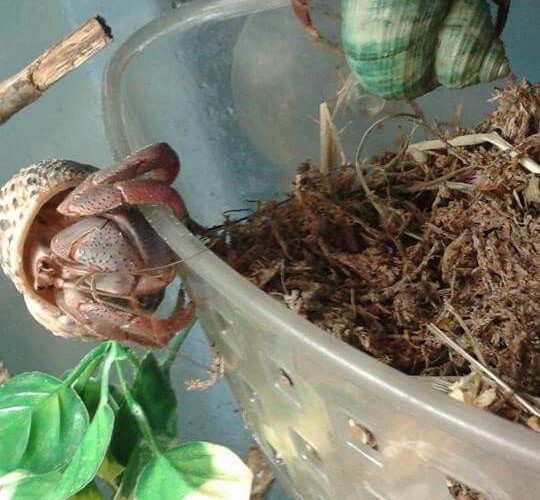
Hermit crabs produce chirping or croaking sounds by rubbing parts of their exoskeleton together, similar to how crickets make noise. While scientists don’t fully understand every reason behind these sounds, hermit crab owners have observed several common situations where chirping occurs:
-
Defending Their Shell 🐚
-
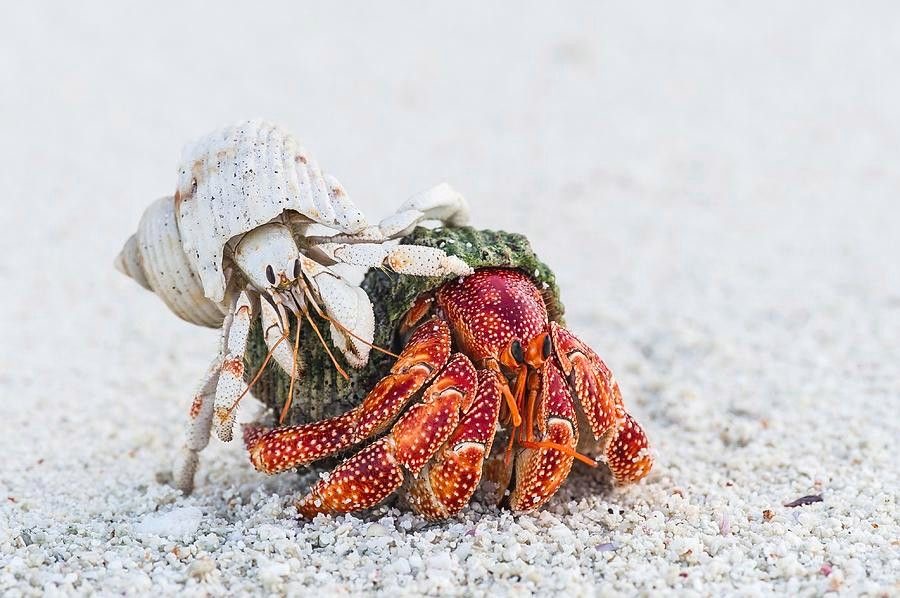
Hermit crabs are highly protective of their shells, and if another crab gets too close or tries to steal their home, they may chirp as a warning.
-
-
Feeling Stressed or Scared 😨
-
Loud noises, sudden movements, or handling can make a hermit crab feel threatened, causing it to chirp as a sign of distress.
-
-
Communicating with Tank Mates 🦀
-
Some crabs chirp to establish dominance or signal to other crabs in their environment.
-
-
Uncomfortable or Unhappy ❌
-
If a hermit crab’s habitat isn’t ideal—such as low humidity, incorrect temperature, or dirty conditions—it may chirp out of discomfort.
-
What Should You Do If Your Hermit Crab Chirps?
If you hear your hermit crab making noise, consider these steps to ensure they are comfortable and stress-free:
✅ Check Their Habitat
-
Maintain 70-80% humidity and keep the temperature between 75-85°F (24-29°C) for a stress-free environment.
✅ Observe Their Behavior
-
Are they being bothered by another crab? Are they trying to switch shells? Identifying the cause can help you take appropriate action.
✅ Give Them Space
-
If your crab is chirping while being handled, put them back in their habitat and let them calm down.
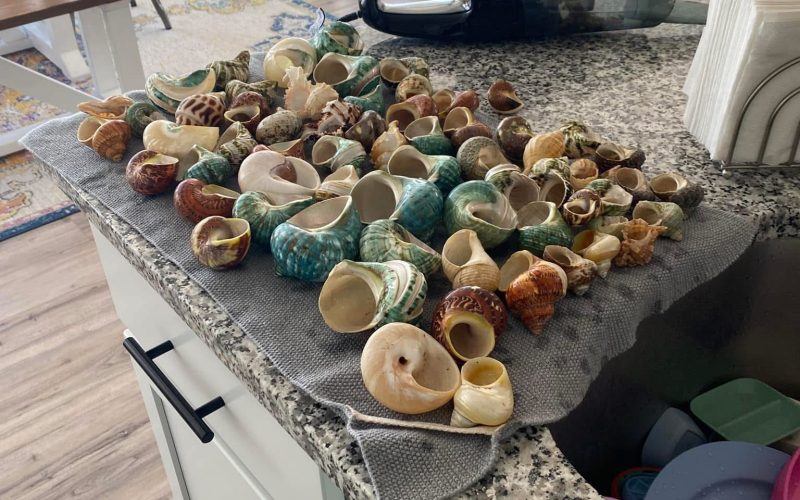
✅ Provide Extra Shells
-
If shell disputes are causing chirping, offer multiple shell options so crabs can find the right fit without fighting.
When to Be Concerned
While occasional chirping is normal, excessive or continuous chirping could indicate extreme stress or discomfort. If your crab is chirping a lot, double-check habitat conditions and make adjustments as needed.
Final Thoughts
Hermit crabs may not “talk” like we do, but their chirping is a unique form of communication that gives insight into their behavior and well-being. By paying attention to their sounds and surroundings, you can ensure your hermit crab stays happy and healthy.
Want to learn more about hermit crab care? Visit hermitcrab.dmvpromo.com/ for expert tips and resources! 🦀💙