What are the essential items a beginner needs to set up a hermit crab habitat?
To create a comfortable and healthy environment for hermit crabs, beginners need the following essential items:
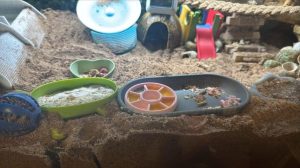
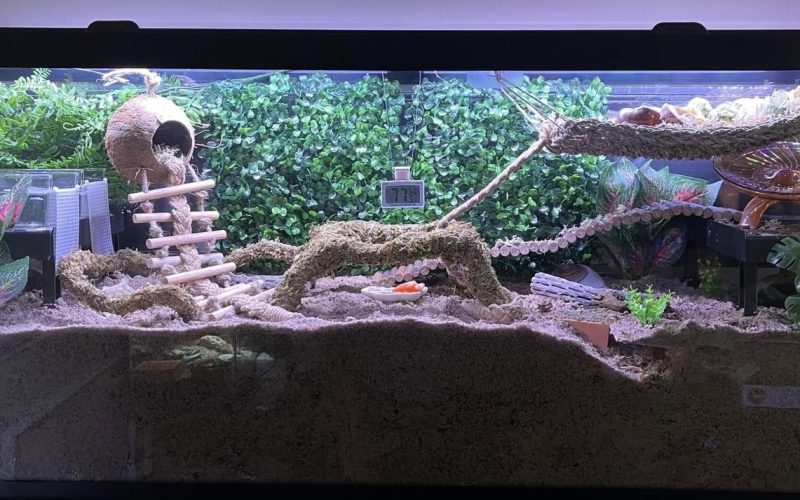
- Aquarium with a Solid Lid
- A 20-gallon tank is the minimum size for one crab. Add 10 gallons for each additional small/medium crab or 15 gallons for larger crabs.
- Tanks that are 18 inches wide are easier to set up and maintain.
- Substrate
- Use pre-washed and screened play sand (e.g., Quickcrete or Sackcrete) mixed with coconut fiber (e.g., Zoo Med Eco Earth) in a 5:1 ratio.
- For every 10 gallons of tank capacity, use one 50-lb bag of sand and half a brick of coconut fiber. The substrate should be at least 6 inches deep.
- Water Conditioner and Salt
- Use Seachem Prime to dechlorinate tap water and neutralize harmful chemicals.
- Prepare saltwater with Instant Ocean marine salt or Reef Crystals.
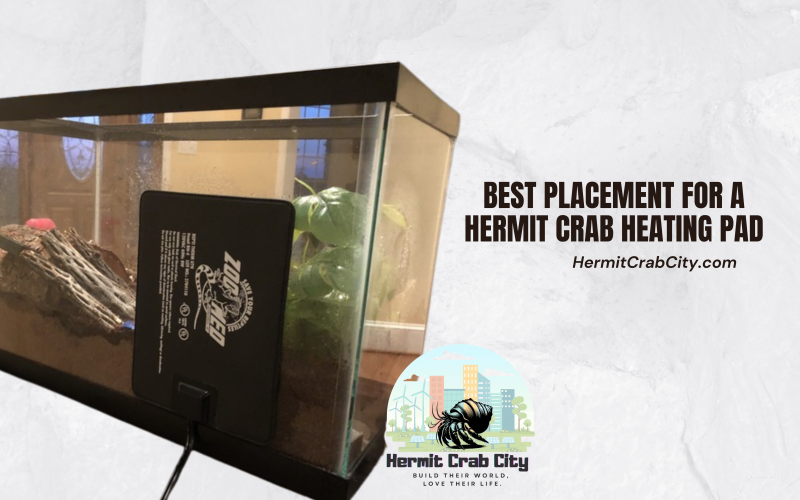
- Heat Mat (Under-Tank Heater, UTH)
- Use a heat mat large enough to cover the back of the tank from just above the substrate to the top. Avoid heat lamps as they can dehydrate crabs.
- Temperature and Humidity Gauges
- Use a digital thermometer and hygrometer to maintain a temperature of 80–85°F and humidity of 80–85%. Avoid analog gauges as they are less reliable.
- Lighting
- Provide 12 hours of light and 12 hours of darkness using LED aquarium lights with timers to mimic natural day/night cycles.
- Shells
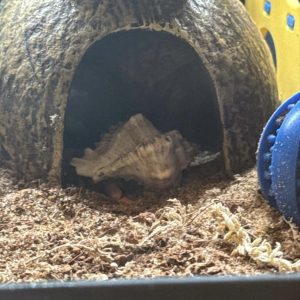
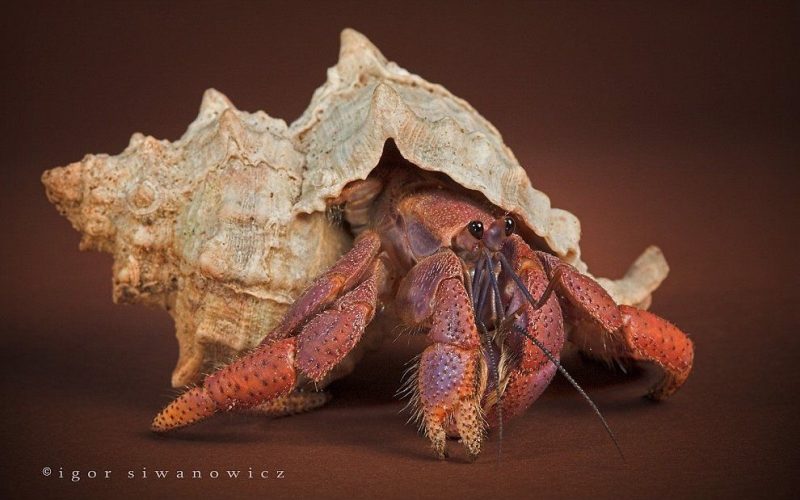
- Provide unpainted, natural Turbo shells for the crabs to move into as they molt (grow). Offer 5–6 shells per crab.
- Hiding and Climbing Structures
- Include hides like coconut shells, flower pots, and dense plants. Add climbing features such as cholla wood, driftwood, and cork rounds.
- Freshwater and Saltwater Pools
- Use sturdy containers deep enough for crabs to submerge fully, with stable entry and exit points. Avoid sponges as they breed bacteria.
- Supplements
- Provide calcium (e.g., cuttlebone, crushed eggshells), organic greensand, earthworm castings, and spirulina powder.
- Decorations and Enrichment
- Add safe plants, vines, fishing nets, reptile hammocks, and long-fibered sphagnum moss to enhance the habitat.
- Maintenance Tools
- Use tools like plastic canvas, craft mesh, or egg crate panels to create ramps, ladders, and stable structures.
These items create an optimal habitat, ensuring your hermit crabs’ health and happiness.
Why is Backup Heat Necessary for Hermit Crab Habitats?
Far far away, behind the word mountains, far from the countries Vokalia and Consonantia, there live the blind texts. Separated they live in Bookmarksgrove right at the coast of the Semantics, a large language ocean.
Why is Backup Heat Necessary for Hermit Crab Habitats?
Backup heat is essential for hermit crab habitats to maintain safe temperatures during cold weather or power outages. Hermit crabs thrive in temperatures between 75–85°F, and prolonged exposure to temperatures below 75°F can lead to stress. If temperatures drop to around 60°F, crabs may enter a hibernation-like state, which can be fatal if sustained for long periods.
Hermit crabs rely on stable, warm environments to support their metabolism and overall health. Backup heat ensures that temperature fluctuations caused by emergencies do not compromise their survival. Since hermit crabs originate from tropical environments, they are not equipped to handle cold weather, making preparation crucial.
Steps to Ensure Backup Heat:
- Preventative Setup:
- Place tanks away from windows and doors to avoid drafts.
- Set up tanks in rooms that stay warm during outages or where people frequently gather (body heat helps).
- Use thermal curtains, plastic covers, or foam insulators to block drafts from doors, windows, and electrical outlets.
- Emergency Supplies:
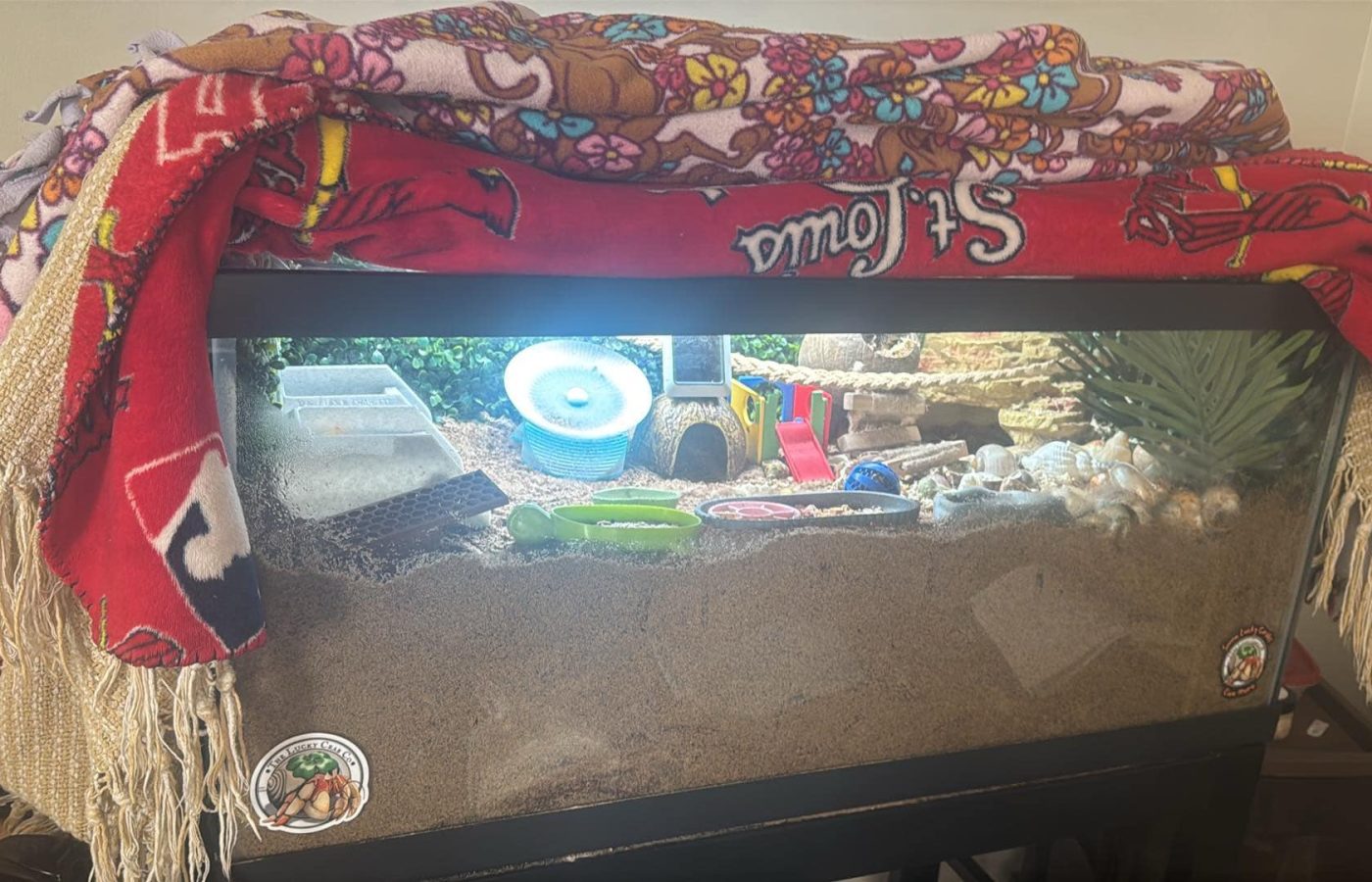
- Stock up on blankets, sleeping bags, mylar emergency blankets, or foiled insulation to wrap tanks and retain heat.
- Have UniHeat reptile heat packs or Hot Hands warmers ready.
- UniHeat Warmers: Provide gentle, steady heat for up to 72 hours and are safe for taping to aquarium exteriors.
- Hot Hands Warmers: Offer up to 18 hours of heat but should be used in coolers and not directly on aquariums due to higher temperatures.
- Temporary Heat Options:
- Fill jars with hot water (wrapped for safety) and place them in the tank.
- Use heat packs or warmers inside the tank only if they are in containers inaccessible to crabs.
- Use a universal power supply (UPS) or vehicle power inverter to keep heat mats running during outages.
- Safe Transfers:
- Keep an emergency tote or cooler for transferring crabs to a smaller, insulated space. This reduces the amount of heat needed to maintain warmth.
- If necessary, relocate the crabs to a warmer location or a friend’s home with power.
Precautions:
- Heat packs must never directly contact hermit crabs.
- Always monitor tank temperatures to avoid overheating.
- Use vented containers for warmers to ensure safety and effectiveness.
By planning and having the right tools and strategies in place, you can protect your hermit crabs from the risks of cold weather, ensuring their comfort and survival during emergencies.
Precautions:
- Heat packs must never directly contact hermit crabs.
- Always monitor tank temperatures to avoid overheating.
- Use vented containers for warmers to ensure safety and effectiveness.
By planning and having the right tools and strategies in place, you can protect your hermit crabs from the risks of cold weather, ensuring their comfort and survival during emergencies.
hermitcrab.dmvpromo.com/